

Your website is often the first place a new customer checks before they call, book or visit. If it's out of date, they probably won't tell you. They'll just go somewhere else.
The good news: most website problems are small and fixable. The trick is catching them before they cost you.
Your website is your 24/7 storefront
Your doors close at night. Your website doesn't. It answers questions, shows your work and takes requests while you sleep.
It's also the one place online you fully control. Google, Yelp and social apps set their own rules and can change them. Your site is where you decide what customers see and how they reach you. Your Google profile, social posts and ads all point back to it, so keeping it current helps everything else work.
Old information sends customers to competitors
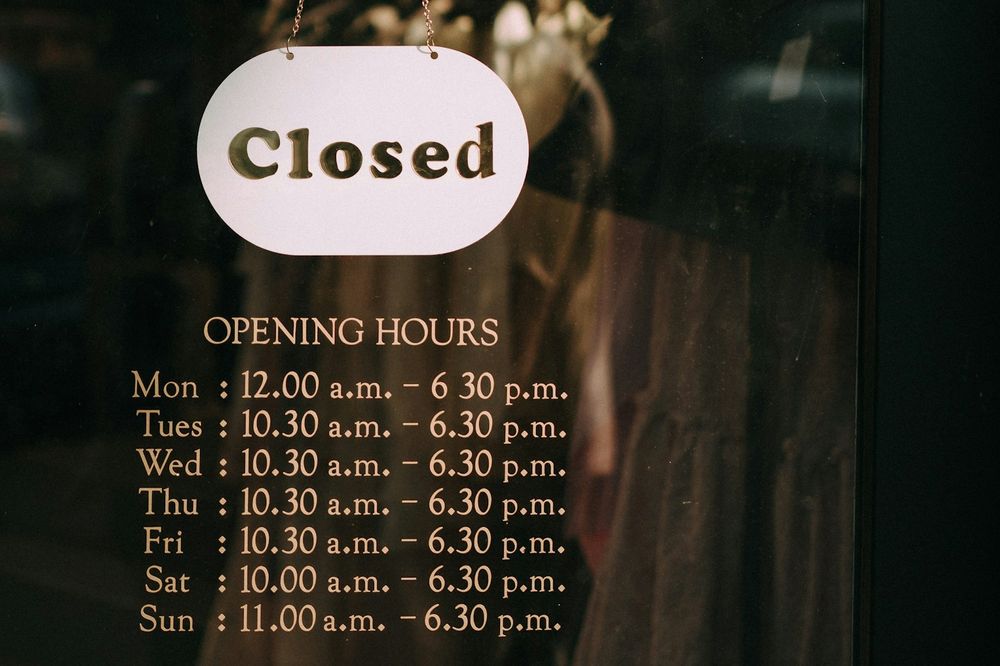
Wrong hours, old prices or a service you no longer offer can turn into a wasted trip, an awkward phone call or a bad review.
Mixed-up details cause trouble too. When your website says one thing and your Google, Yelp or social profiles say another, customers aren't sure which to trust. Search engines and AI assistants can get confused as well, and they may repeat the stale version. Google puts it simply: "Businesses with complete and accurate info are more likely to show up in local search results" (Google Business Profile Help).
A clunky phone experience loses visitors
Plenty of customers will find you on a phone, often while they're on the go. Google uses the mobile version of a site's content for indexing and ranking (Google Search Central), so your phone experience matters to search too.

If pages load slowly, buttons are tiny, or there's no clear way to book or ask a question, visitors give up. And when someone finds you at 9 p.m. with no simple form or chat to use, that lead may be gone by morning.
Old design, dead links and "Not secure" warnings hurt trust
A dated look, broken links and missing photos can make people wonder if you're still in business.
Security matters even more. If your SSL certificate lapses, browsers can warn visitors that your site is "Not secure." Google Chrome's help pages suggest people avoid entering personal information on pages flagged that way (Google Chrome Help). Outdated plugins and software can also leave a site open to problems, so updates aren't just cosmetic.
Small updates cost less than emergency rebuilds
A site that's left alone for years often needs a full rebuild all at once, usually at a bad time. Regular care spreads the work out: update your hours when they change, fix a broken link when it appears, renew security on time, and refresh a photo or a page now and then.
Fresh, accurate pages build trust with customers. They also give search engines and AI tools clear, current information to work with.
Get started

If your site just needs a quick update, our Website Refresh is $399 with founding-client pricing. It refreshes up to 3 pages on a new mobile-friendly design, with 1 revision round, old page addresses redirected to the new ones, tap-to-call and a contact form. If you need more than 3 pages, that's a Starter Website. If your site needs a fresh start, our Starter Website is $899 with founding-client pricing, for up to 5 pages, with old page addresses redirected to the new ones. A Growth Website or Redesign is $1,695, also with founding-client pricing. To keep things current after launch, Site Care is $99/mo, or $69/mo with Full Monthly. It covers hosting, SSL, backups, uptime checks and 1 hour of edits a month. See every option on our pricing page.
Not sure where your site stands? Start with a free online checkup. You'll get a short, plain-English report in 24-48 hours showing your top issues and how you compare with nearby competitors, plus personalized help from LPM deciding what to do next.